The Witcher 3: Songs of the Past Expansion to Introduce Game-Changing Gwent Cards
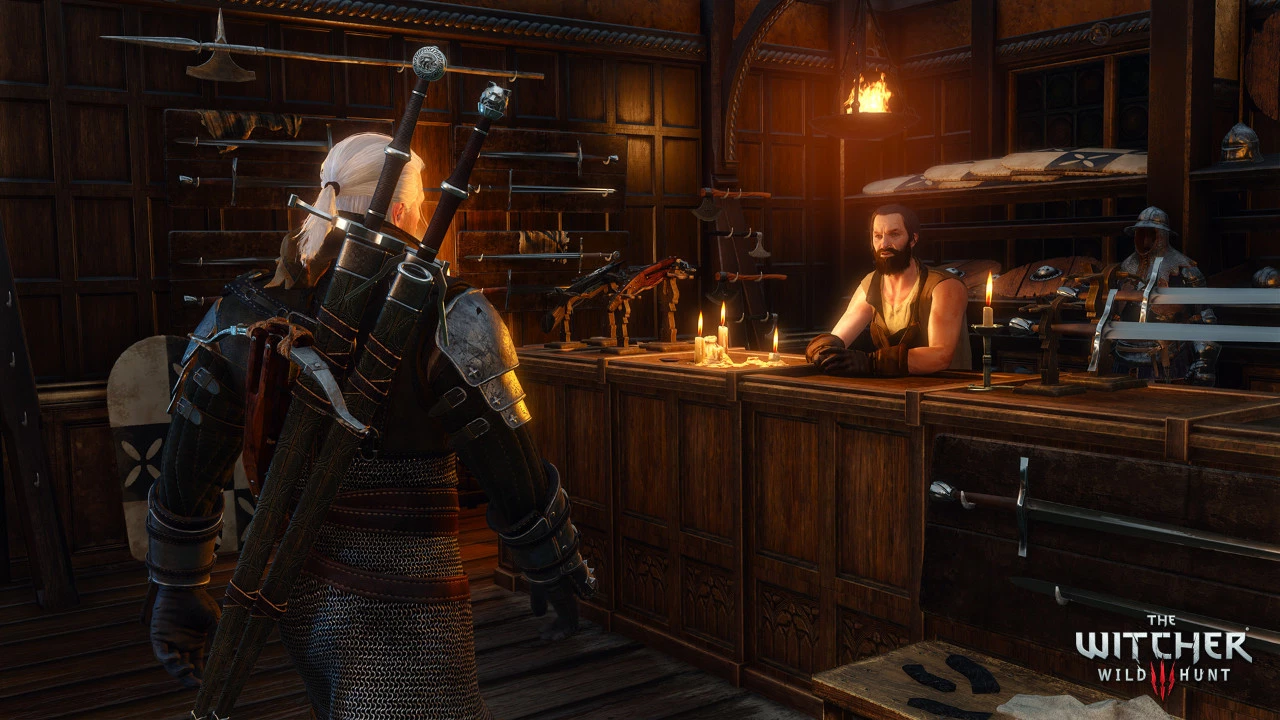
The announcement of the major expansion Songs of the Past for The Witcher 3: Wild Hunt has sent shockwaves of excitement through the gaming community. Nearly a decade after the original game’s release, CD Projekt Red is returning to the beloved open-world RPG with substantial new content that promises to expand both the narrative and gameplay experience. While fans eagerly speculate about the storyline and new quests, another revelation has captured the community’s attention: the expansion will officially introduce brand-new cards for Gwent, the iconic in-game card game that became a phenomenon in its own right.
A Beloved Mini-Game Gets a Major Overhaul
Gwent began as a simple distraction within The Witcher 3, allowing players to challenge various NPCs to card duels across the Continent. What started as an optional mini-game quickly evolved into one of the most addictive features of the entire experience, with players spending countless hours collecting cards, perfecting strategies, and challenging every merchant, soldier, and noble they encountered. The card game proved so popular that CD Projekt Red eventually developed it into a standalone free-to-play title, Gwent: The Witcher Card Game, which launched in 2018 and attracted millions of players worldwide.
The introduction of new cards in Songs of the Past represents more than just additional content—it fundamentally alters the strategic landscape of the game. Veteran players who have spent years mastering specific deck compositions and winning strategies may find themselves needing to completely rethink their approaches. The original game featured four main factions: Northern Realms, Nilfgaardian Empire, Scoia’tael, and Monsters, each with distinct playstyles and card synergies. New additions could potentially introduce fresh mechanics, powerful hero cards, or entirely new faction-specific strategies that reshape competitive balance.
Historical Context and Fan Expectations
The Witcher 3: Wild Hunt originally launched in May 2015 and received two major expansions—Hearts of Stone and Blood and Wine—which collectively added over fifty hours of additional gameplay. Both expansions were critically acclaimed, with Blood and Wine winning numerous Game of the Year awards in its own right. The game has sold over fifty million copies worldwide, establishing itself as one of the most successful RPGs in gaming history. The announcement of Songs of the Past marks the first major content addition in nearly a decade, demonstrating CD Projekt Red’s commitment to the franchise and its dedicated fanbase.
The timing of this expansion is particularly significant given the recent developments in the Witcher franchise. CD Projekt Red has announced a new Witcher trilogy currently in development, and this expansion could serve as a bridge between the original trilogy and future installments. The company has also been working to rebuild its reputation following the troubled launch of Cyberpunk 2077, and a successful return to the Witcher universe could reinforce their standing as premier RPG developers. Industry analysts suggest that this expansion demonstrates the studio’s recognition that live service and continued support can extend a game’s lifespan and profitability far beyond initial release.
What the New Gwent Cards Could Mean for Players
For completionists and Gwent enthusiasts, the addition of new cards presents both an exciting challenge and a potential headache. Collecting every card in the original game required extensive travel, numerous victories against skilled opponents, and careful purchasing decisions at various merchants. The introduction of new cards suggests additional collection quests, potentially new NPCs to challenge, and possibly new tournament-style events. This could add significant replay value to an already massive game, encouraging players to return to regions they may have neglected during their initial playthrough.
The community response has been overwhelmingly positive, with social media platforms and gaming forums buzzing with speculation about potential new mechanics. Some players hope for the inclusion of cards featuring characters from the previous Witcher games, while others speculate about legendary cards based on figures from the expanded universe novels. The possibility of cross-promotion with the standalone Gwent game has also been discussed, though no official confirmation has been provided regarding such integration.
Expert Opinion: The decision to enhance Gwent in Songs of the Past reflects CD Projekt Red’s sophisticated understanding of player engagement and nostalgia. By refreshing a beloved mini-game alongside new story content, the studio creates multiple entry points for returning players while demonstrating technical capability to expand legacy systems—a promising indicator for the upcoming Witcher trilogy’s development approach.