Clair Obscur: Expedition 33 Developers Refuse to Play It Safe with Their Next Game
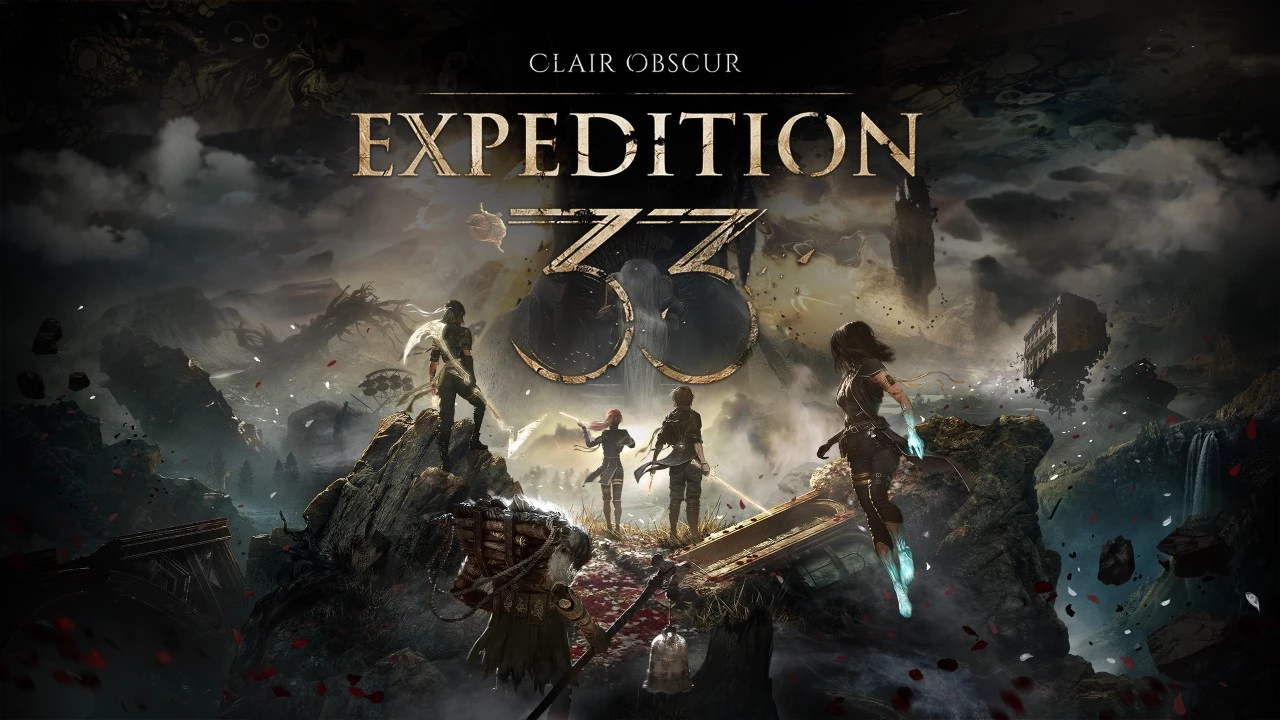
Following the remarkable success of Clair Obscur: Expedition 33, French developer Sandfall Interactive has made a bold declaration about their future direction. Rather than resting on their laurels and delivering a predictable sequel that simply rehashes what worked before, the studio is committed to pushing creative boundaries with their next project. This philosophy reflects a growing trend among independent developers who prioritize artistic vision over commercial safety, even when it means potentially alienating portions of their established fanbase.
Game designer Guillaume Broche has been particularly vocal about the studio’s intentions. In recent interviews, Broche emphasized that Sandfall Interactive views creative risk-taking as essential to their identity as developers. The team believes that true innovation in the gaming industry comes from willingness to experiment, even when success is not guaranteed. This approach stands in stark contrast to many larger publishers who often encourage developers to stick with proven formulas to maximize return on investment.
The Success That Could Have Changed Everything
Clair Obscur: Expedition 33 emerged as one of the most surprising hits in recent memory, combining stunning visual artistry inspired by Belle Époque French aesthetics with innovative turn-based combat mechanics. The game garnered critical acclaim for its unique blend of European art history influences and JRPG-style gameplay, proving that there was significant appetite for fresh approaches to established genres. For many studios, such success would trigger a conservative response—why change what clearly works?
However, Sandfall Interactive appears determined to avoid the trap that has ensnared many successful developers before them. The gaming industry is littered with examples of studios that found initial success only to stagnate creatively by repeatedly delivering variations of the same experience. Broche acknowledges that some fans may be disappointed if the next game deviates significantly from Expedition 33’s formula, but argues that this risk is preferable to creative stagnation. The team believes their audience ultimately values innovation and artistic integrity over predictable comfort.
A Philosophy Rooted in Artistic Ambition
This commitment to bold experimentation reflects broader conversations happening throughout the gaming industry about the relationship between commercial success and artistic freedom. Independent studios like Sandfall Interactive occupy a unique position—large enough to undertake ambitious projects, yet small enough to maintain creative autonomy. Industry analysts have noted that mid-sized developers who maintain strong artistic identities often build more loyal, passionate communities than those who chase mass-market appeal through safe design choices.
The French gaming scene, in particular, has developed a reputation for nurturing studios willing to take creative risks. From Quantic Dream’s narrative experiments to Asobo Studio’s atmospheric adventures, French developers have consistently demonstrated that commercial viability and artistic ambition need not be mutually exclusive. Sandfall Interactive appears eager to continue this tradition, viewing their success with Expedition 33 not as a template to be replicated, but as validation that audiences hunger for fresh experiences.
While specific details about Sandfall’s next project remain under wraps, the studio’s public statements suggest something significantly different from their debut title may be in development. Whether this means new genres, different artistic directions, or experimental gameplay mechanics remains to be seen. What seems certain is that players should expect the unexpected from this ambitious French studio.
Expert Opinion: Sandfall Interactive’s approach represents a calculated gamble that could define the next generation of mid-tier development studios. By prioritizing creative integrity over safe sequels, they’re betting that modern audiences—particularly those who gravitate toward distinctive indie experiences—value authenticity and surprise more than familiar comfort. If successful, this strategy could inspire other studios to resist the sequel-ization pressure that often homogenizes the gaming landscape.