Meccha Chameleon Becomes 2026’s Biggest Gaming Phenomenon, Leaving AAA Titles in the Dust
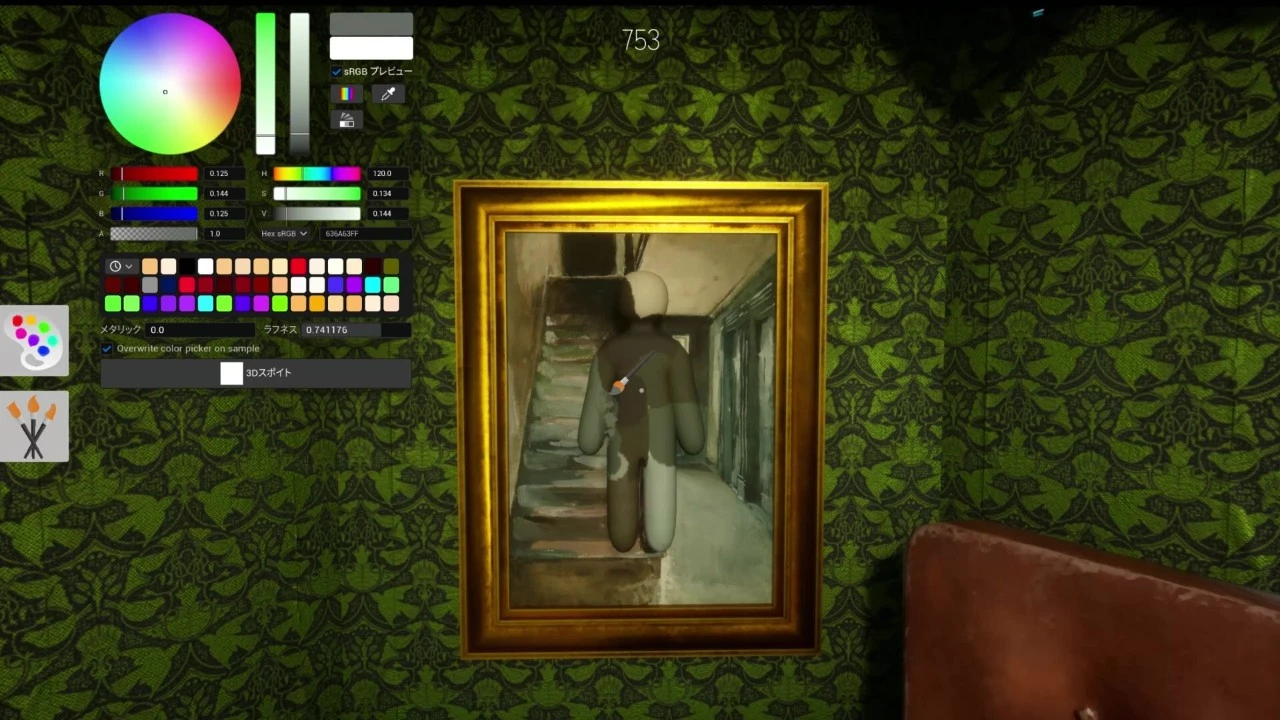
In an extraordinary display of what passion and creativity can achieve, the indie sensation Meccha Chameleon has shattered industry expectations and redefined what success looks like in the modern gaming landscape. Just one month after its release, this vibrant platformer created by a two-person development team has become the fastest-selling and highest-grossing new release of 2026, with gross revenue approaching an astounding $90 million. The game’s meteoric rise has sent shockwaves through the industry, proving once again that innovation and charm can triumph over massive budgets and corporate machinery.
The gaming world has witnessed indie breakthroughs before, but Meccha Chameleon’s trajectory stands apart in its sheer velocity and scale. While major publishers typically spend years and hundreds of millions of dollars developing AAA titles with teams numbering in the thousands, this colorful adventure about a shape-shifting chameleon was crafted by just two developers working from their home studios. The game combines tight platforming mechanics with a unique color-switching ability that allows players to adapt to different environments, absorb enemy powers, and solve increasingly complex puzzles across hand-crafted levels that ooze personality and creativity.
The David and Goliath Story of Modern Gaming
The success of Meccha Chameleon represents a significant shift in the gaming industry’s power dynamics. For decades, the market has been dominated by major publishers like Electronic Arts, Activision, and Ubisoft, whose annual releases regularly commanded the sales charts. However, the past several years have shown cracks in this dominance, with indie titles increasingly capturing both critical acclaim and commercial success. Games like Hollow Knight, Stardew Valley, and Hades demonstrated that small teams could compete with industry giants, but Meccha Chameleon has taken this phenomenon to unprecedented heights by achieving in one month what many AAA titles fail to accomplish in their entire lifecycle.
Industry analysts point to several factors driving this remarkable success. The game launched at a price point of $24.99, significantly lower than the standard $70 for major releases, making it accessible to a broader audience. Word-of-mouth marketing through social media platforms and streaming services like Twitch and YouTube amplified its reach exponentially, with content creators praising its addictive gameplay loop and charming aesthetic. The developers maintained direct communication with their growing community, implementing requested features and fixes within days of feedback—a responsiveness that larger studios simply cannot match.
A Changing Landscape for Game Development
The implications of Meccha Chameleon’s success extend far beyond its own sales figures. Industry veterans suggest this could accelerate an already ongoing transformation in how games are funded, developed, and marketed. Traditional publishers have faced increasing criticism for bloated development cycles, aggressive monetization practices, and risk-averse sequels that often feel uninspired. In contrast, indie developers have embraced experimentation, resulting in some of the most memorable gaming experiences of the past decade. The financial validation provided by Meccha Chameleon’s performance may encourage more talented developers to pursue independent paths rather than seeking employment at major studios.
Historical context makes this achievement even more impressive. The last indie game to achieve comparable first-month sales was Among Us during the pandemic-fueled gaming boom of 2020, and even that title took over two years to reach its peak popularity after initially releasing to modest numbers. Meccha Chameleon exploded from day one, benefiting from a well-timed launch during a relatively quiet period in the release calendar and a demo that had generated significant buzz during last year’s major gaming showcases. The developers, who met while working at a now-defunct mobile gaming company, spent three years perfecting their vision, repeatedly delaying release to ensure the final product met their standards.
What Comes Next for the Industry
As Meccha Chameleon continues its unprecedented run, questions arise about sustainable growth and the future of its creators. The developers have announced plans for free content updates throughout 2026, with new levels, challenge modes, and cosmetic options already in development. A physical collector’s edition has been announced for later this year, and discussions about potential ports to additional platforms are reportedly underway. Meanwhile, major publishers are undoubtedly analyzing what made this title resonate so powerfully with audiences, potentially influencing their own strategies moving forward. Whether Meccha Chameleon represents a unique lightning-in-a-bottle moment or the beginning of a more permanent shift in gaming’s hierarchy remains to be seen, but its impact on the conversation about game development is already undeniable.
Expert Opinion: Meccha Chameleon’s success signals a maturing market where players increasingly value creativity and polish over production scale. We can expect major publishers to respond by either acquiring successful indie studios or creating smaller internal teams with more creative freedom. The $90 million revenue milestone in just 30 days suggests the ceiling for indie games has risen dramatically, potentially attracting more investment capital to small-team projects and fundamentally reshaping how the next generation of developers approaches their careers.