Six Best Games of the First Half of 2026 — Why They Won’t Claim ‘Game of the Year’
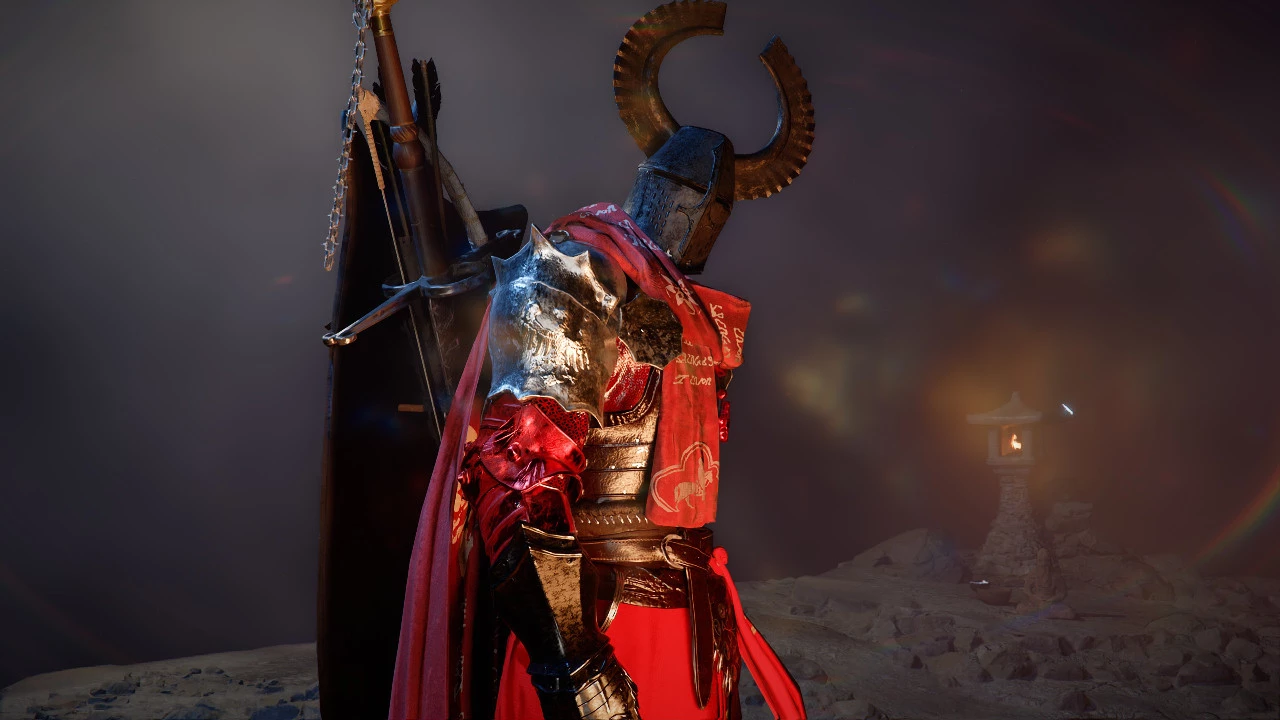
The first half of 2026 has come to a close, marking what many industry analysts are already calling a watershed moment for the gaming world. This year has proven to be significant in every conceivable way for the entire video game industry, from groundbreaking technological innovations to shifting market dynamics and evolving player expectations. As we reach the midpoint of this remarkable year, it’s time to reflect on the standout titles that have captured our attention, challenged our skills, and delivered unforgettable experiences — even if their timing means they’re unlikely to claim the coveted ‘Game of the Year’ awards come December.
The gaming industry in 2026 finds itself at a fascinating crossroads. With next-generation hardware now firmly established in living rooms worldwide, developers have finally begun to fully exploit the capabilities of current-gen consoles and cutting-edge PC hardware. Ray tracing has become standard rather than exceptional, AI-driven NPCs offer unprecedented levels of interaction, and cloud gaming has matured into a viable platform for AAA releases. This technological foundation has allowed studios to push creative boundaries in ways that seemed impossible just a few years ago, resulting in a first half of the year that has been remarkably strong for quality releases.
The Curse of the Early Release Window
Historically, games released in the first six months of any year face an uphill battle when it comes to end-of-year awards consideration. This phenomenon, often called the ‘recency bias’ in gaming journalism, tends to favor titles released in the October-November window, when reviewers and award committees are actively compiling their year-end lists. Games like ‘The Last of Us Part II’ and ‘Elden Ring’ benefited significantly from their release timing, while equally deserving early-year releases often fade from collective memory by December. The pattern has repeated itself so consistently that some publishers deliberately delay promising titles to the fall season, creating an artificial drought in the first quarter followed by an overwhelming flood of releases as the holiday season approaches.
The games that have defined early 2026 represent a diverse cross-section of genres and creative visions. From sprawling open-world adventures to intimate narrative experiences, from revolutionary multiplayer innovations to bold single-player experiments, the first half of this year has offered something for virtually every type of player. Independent studios have continued their ascent, with several smaller teams delivering experiences that rival or exceed their AAA counterparts in terms of creativity and emotional impact. Meanwhile, established franchises have found new ways to reinvent themselves, proving that even long-running series can surprise and delight when placed in capable hands.
Industry Trends Shaping the Year
Several macro-level trends have influenced the games we’ve seen in 2026’s first half. The continued consolidation of major publishers has paradoxically led to more creative freedom for some studios, as parent companies seek to differentiate their portfolios in an increasingly competitive marketplace. The rise of subscription services has changed how games are monetized and consumed, with many players now accessing dozens of titles through unified platforms rather than purchasing individual releases. This shift has encouraged developers to focus on player retention and ongoing engagement rather than purely launch-week sales figures, resulting in games designed with longer-term player relationships in mind.
The independent gaming scene has particularly flourished in this environment. With digital storefronts eliminating traditional distribution barriers and subscription services hungry for diverse content, smaller studios have found unprecedented opportunities to reach global audiences. Several of 2026’s most critically acclaimed releases came from teams of fewer than twenty people, demonstrating that innovation and quality are not exclusive to blockbuster budgets. These indie darlings have tackled subjects ranging from mental health exploration to historical reconstruction, proving that video games continue to mature as an artistic medium capable of addressing complex themes with nuance and sophistication.
Looking Toward the Second Half
As we look ahead to the remaining months of 2026, the release calendar promises even more ambitious titles vying for attention and accolades. Major franchises are positioning their flagship releases for the fall window, while several high-profile delays have pushed anticipated games into the year’s final quarter. The competition for ‘Game of the Year’ will undoubtedly be fierce, but it would be a disservice to the industry’s creative output to overlook the exceptional experiences that have already graced our screens. These early 2026 releases deserve recognition not just for their individual merits, but for establishing the high standard against which all subsequent releases will be measured.
The gaming community’s relationship with awards and recognition continues to evolve alongside the medium itself. While ‘Game of the Year’ discussions generate significant engagement and serve as useful retrospectives, many players and critics alike are questioning whether such designations adequately capture the breadth and diversity of modern gaming. Perhaps the true legacy of 2026’s first-half releases will not be measured in trophies and accolades, but in the lasting impact they have on players, the conversations they inspire, and the creative directions they suggest for the medium’s future. Regardless of what December’s award ceremonies ultimately decide, these games have already earned their place in gaming history.
Expert Opinion: The gaming industry’s traditional award cycle continues to disadvantage early-year releases, but 2026 may mark a turning point in how we evaluate annual achievements. As gaming matures into a year-round entertainment powerhouse with subscription models emphasizing catalog depth over launch timing, we’re likely to see award bodies adapt their methodologies to better recognize quality regardless of release date. Studios would be wise to focus on creating lasting experiences rather than chasing optimal release windows.