Technology Boundaries: Moon Studios Boss Reveals Secrets of AI Usage in No Rest for the Wicked
Thomas Mahler, the head of Moon Studios, has publicly outlined strict principles governing the use of neural networks in the development of their highly anticipated action RPG, No Rest for the Wicked. In an era where artificial intelligence is rapidly transforming the gaming industry, Mahler has taken a definitive stance: generative AI technologies are useful exclusively for automating routine tasks, but should never replace human creativity in artistic endeavors. This philosophy represents a growing conversation within the game development community about where to draw the line between helpful automation and the erosion of artistic integrity.
The Philosophy Behind AI Implementation
Moon Studios, the critically acclaimed developer behind the beloved Ori series, has built its reputation on breathtaking artistry and emotional storytelling. Mahler’s approach to AI reflects this heritage, emphasizing that neural networks at the studio are deployed strategically for mundane, repetitive processes that would otherwise consume valuable development time. Tasks such as asset organization, preliminary testing automation, and data processing represent appropriate use cases in his view. However, when it comes to character design, narrative development, world-building, and the emotional core of the gaming experience, human creativity remains absolutely non-negotiable.
This stance arrives at a particularly contentious moment in the gaming industry. Over the past two years, studios worldwide have experimented with generative AI for everything from concept art to dialogue writing, sparking fierce debates about job displacement, artistic authenticity, and the soul of creative work. Major publishers have faced backlash from both consumers and developers when AI-generated content was discovered in released products, suggesting that audiences can often sense when human touch is absent from creative work.
No Rest for the Wicked: A New Chapter for Moon Studios
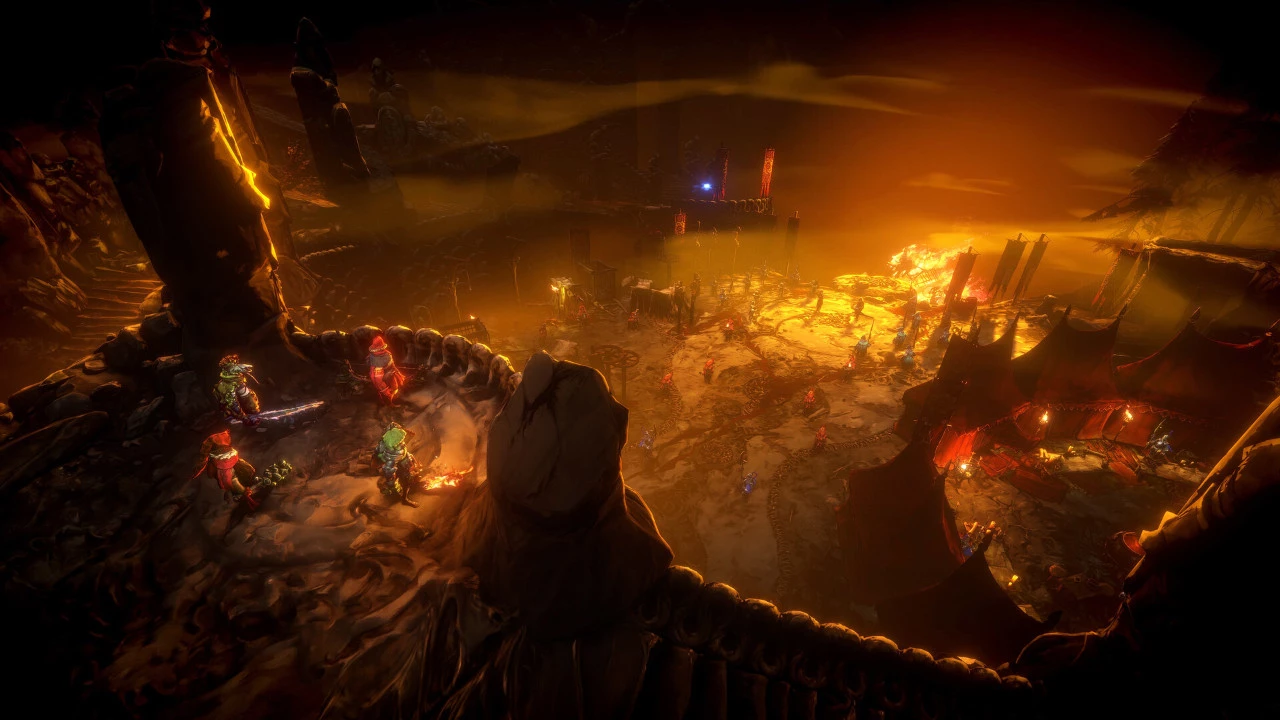
No Rest for the Wicked marks a significant departure for Moon Studios from the Metroidvania genre that made them famous. The game, which entered early access in April 2024, combines isometric action RPG gameplay with the studio’s signature attention to visual detail and atmospheric storytelling. Set in a dark fantasy world plagued by a mysterious pestilence, the game has already garnered attention for its stunning hand-crafted environments and weighty combat system that draws comparisons to the Soulslike genre while maintaining its own distinct identity.
The development of No Rest for the Wicked has been notably transparent, with Mahler frequently communicating with the community about the studio’s creative and technical decisions. This openness about AI usage represents another chapter in that ongoing dialogue. Industry analysts suggest that such transparency may become increasingly important as consumers grow more sophisticated in their understanding of AI capabilities and more discerning about how their entertainment is produced.
The Broader Industry Debate
Mahler’s public stance positions Moon Studios within a larger philosophical divide emerging in game development. On one side, some studios embrace AI tools extensively, arguing that efficiency gains allow smaller teams to compete with larger publishers. On the other side, developers like Mahler contend that gaming is fundamentally an art form, and certain creative processes lose their essence when delegated to algorithms. Historical parallels can be drawn to the introduction of digital art tools in the 1990s, which similarly sparked debates about authenticity before eventually becoming standard practice while coexisting with traditional techniques.
The distinction Mahler draws between automation and creation may prove influential as the industry continues to navigate this technological transition. By establishing clear boundaries—using AI for tasks that are genuinely mechanical while preserving human agency over creative decisions—studios can potentially harness efficiency benefits without sacrificing the artistic vision that distinguishes memorable games from forgettable ones. As No Rest for the Wicked continues its early access journey toward full release, the gaming community will be watching closely to see how this philosophy manifests in the final product.
Expert Opinion: Thomas Mahler’s principled approach to AI integration may establish a blueprint for indie and mid-sized studios seeking to balance innovation with artistic integrity. As generative AI tools become more sophisticated and accessible, the studios that clearly articulate and maintain boundaries around creative processes will likely build stronger trust with their audiences. The coming years will determine whether the industry coalesces around similar ethical frameworks or fragments into competing philosophies about the role of artificial intelligence in interactive entertainment.