Eve Online’s Engine Goes Open Source: Fenris Creations Releases Carbon on GitHub

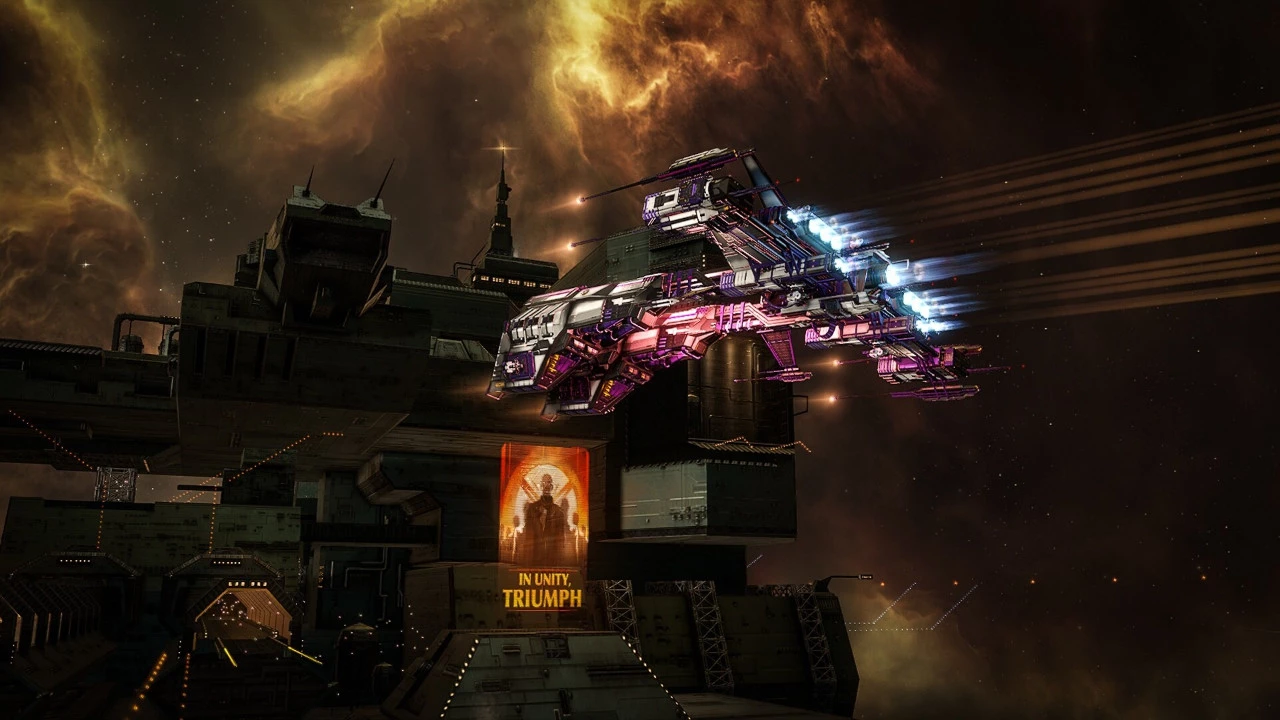
In a landmark decision for the gaming industry, Fenris Creations (formerly known as CCP Games) has officially released the source code of its proprietary game engine, Carbon, to the public via GitHub. This powerful engine has been the technological backbone of Eve Online for an impressive 23 years, powering one of the most complex and persistent virtual universes in gaming history. The announcement marks a significant shift in the company’s approach to intellectual property and opens new possibilities for developers worldwide.
The release of Carbon represents one of the most substantial contributions to open-source gaming technology in recent years. Eve Online, launched in 2003, has maintained a dedicated player base for over two decades, largely due to its sophisticated engine capable of handling massive multiplayer battles involving thousands of players simultaneously. The Carbon engine’s ability to manage complex physics simulations, real-time economic systems, and seamless universe persistence has made it legendary among game developers and players alike.
The Technical Marvel Behind Eve Online
Carbon engine was developed specifically to address the unique challenges of creating a persistent online universe. Unlike traditional game engines that focus on single-player experiences or limited multiplayer sessions, Carbon was engineered from the ground up to handle the demands of a living, breathing galaxy. The engine incorporates advanced features including time dilation technology, which allows the game to slow down during massive battles to ensure all player actions are properly processed, a revolutionary approach that has been studied by game developers worldwide.
The engine’s architecture includes sophisticated networking code capable of managing connections from players across the globe, complex AI systems for non-player characters and market simulations, and a robust database infrastructure that tracks billions of in-game transactions and player activities. Industry analysts suggest that making this code available could accelerate development of similar massively multiplayer experiences by providing a proven foundation for ambitious projects.
CCP Games’ Evolution to Fenris Creations
The company’s rebranding from CCP Games to Fenris Creations reflects a broader transformation in its corporate strategy. Founded in Iceland in 1997, CCP Games built its reputation on Eve Online’s success and attempted to expand with projects like Dust 514 and World of Darkness, which were eventually canceled. The company has experimented with virtual reality gaming and has undergone several ownership changes, including acquisition by Pearl Abyss in 2018. The decision to open-source Carbon suggests a new direction focused on community collaboration and industry contribution.
Historical context reveals that open-sourcing game engines, while increasingly common, remains relatively rare for engines powering active commercial products. Notable precedents include id Software’s tradition of releasing engine source code years after product launch, and more recently, various indie developers sharing their tools with the community. However, Carbon’s release is unique given Eve Online’s continued operation and commercial success, making this one of the most significant open-source contributions from an active MMO developer.
Implications for the Gaming Industry
The implications of this release extend far beyond Eve Online’s community. Independent developers and small studios now have access to battle-tested technology that would have cost millions of dollars and years of development time to create from scratch. Educational institutions teaching game development can use Carbon as a real-world example of enterprise-grade game engine architecture. The open-source community is expected to contribute improvements, bug fixes, and potentially new features that could benefit both independent projects and Eve Online itself.
Gaming industry veterans have noted that this move could inspire other established developers to consider similar contributions to open-source gaming infrastructure. As the industry continues to mature, sharing foundational technologies while competing on content and creativity could become a more common model. The Carbon release may well be remembered as a pivotal moment in the democratization of game development technology, lowering barriers for the next generation of ambitious multiplayer experiences.
Expert Opinion: The release of Carbon engine represents a strategic masterstroke that could revitalize CCP’s relationship with the developer community while ensuring Eve Online’s legacy extends beyond its operational lifespan. This move positions Fenris Creations as a thought leader in open-source gaming and may attract talented developers who could eventually contribute back to their commercial products. We may see a new wave of space-based MMOs and persistent online worlds built on Carbon’s foundation within the next three to five years.