Reverse: 1999 and Atomic Heart Collaboration Details Revealed: A Groundbreaking Crossover Event
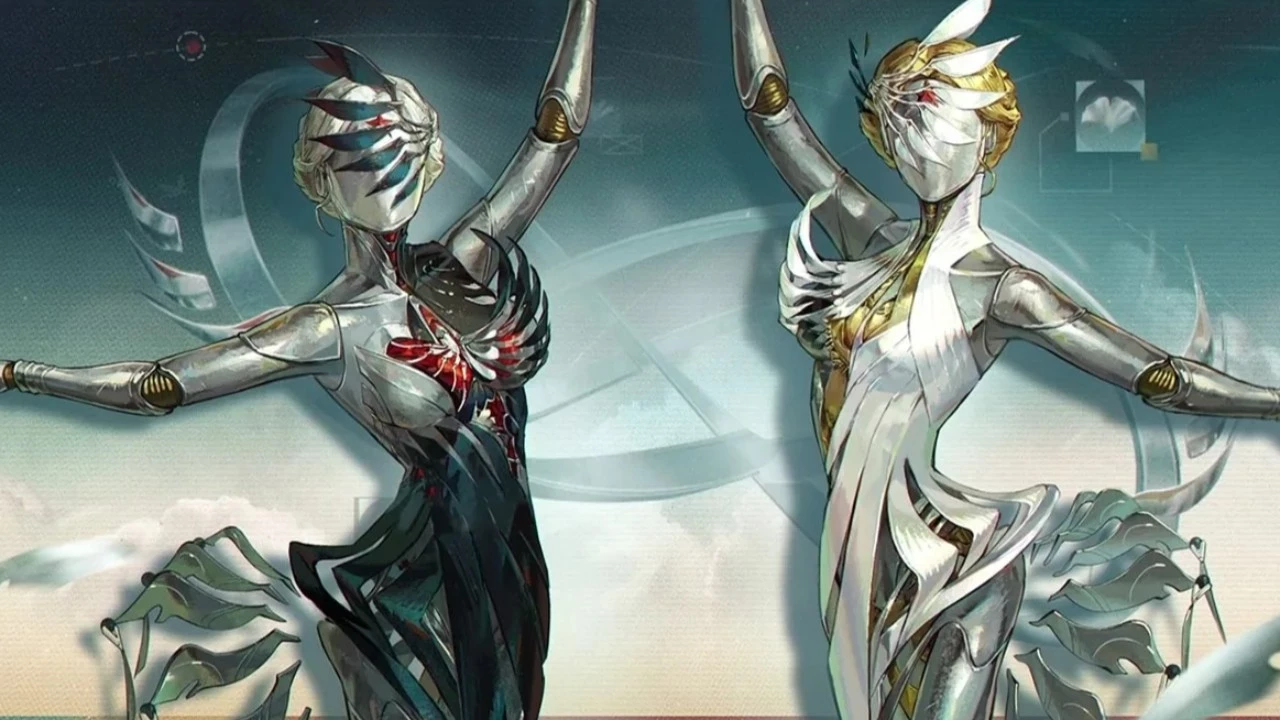
In an exciting announcement that has sent waves through the gaming community, the developers of Reverse: 1999 have unveiled details of their upcoming collaboration with the critically acclaimed Atomic Heart. This crossover event promises to be one of the most unusual and ambitious updates in the game’s history, introducing new gameplay mechanics and a distinctive visual style that blends the aesthetics of both beloved titles. The collaboration represents a unique fusion of two vastly different gaming universes, bringing together the time-traveling mysteries of Reverse: 1999 with the Soviet retrofuturistic nightmare of Atomic Heart.
Two Worlds Collide: Understanding the Source Material
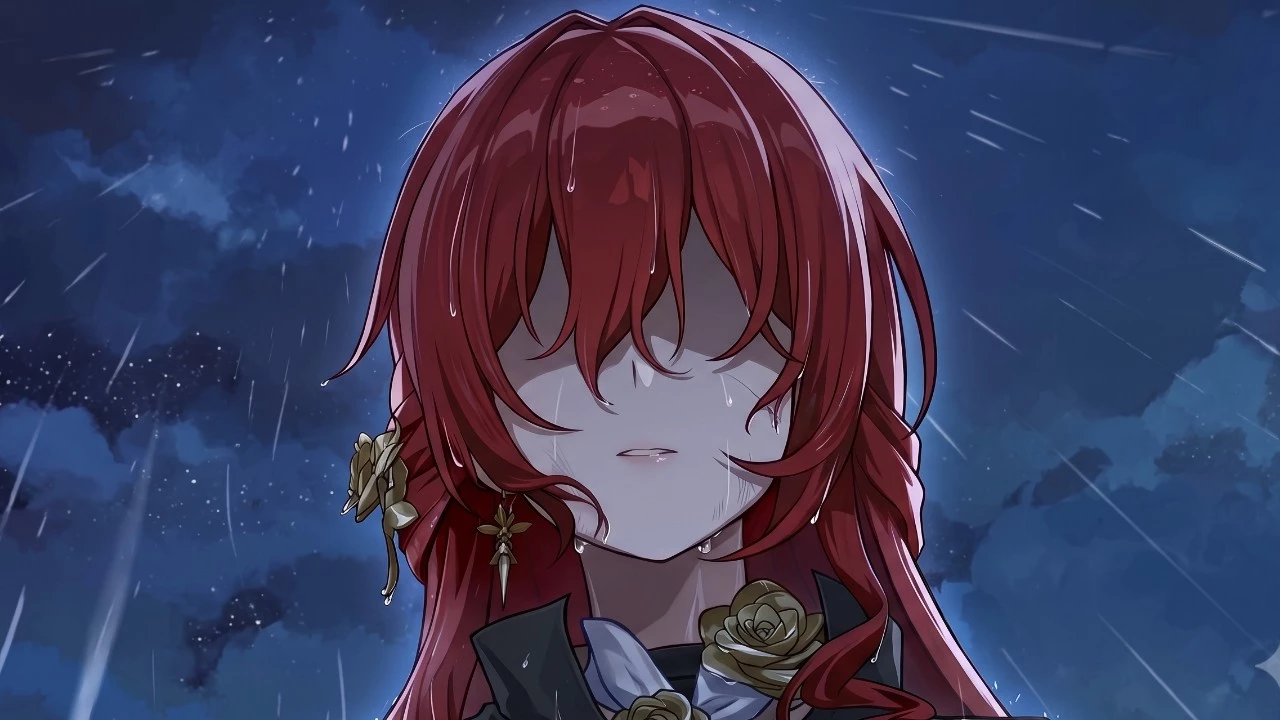
Reverse: 1999 has established itself as a prominent mobile RPG since its launch, captivating players with its unique premise centered around a mysterious phenomenon called the “Storm” that causes time to reverse. Set in the late 20th century, the game follows a group of Arcanists navigating through various historical periods while uncovering dark secrets about the nature of reality itself. The game has garnered a dedicated following thanks to its sophisticated narrative, stunning art direction, and strategic turn-based combat system that rewards careful planning and team composition.
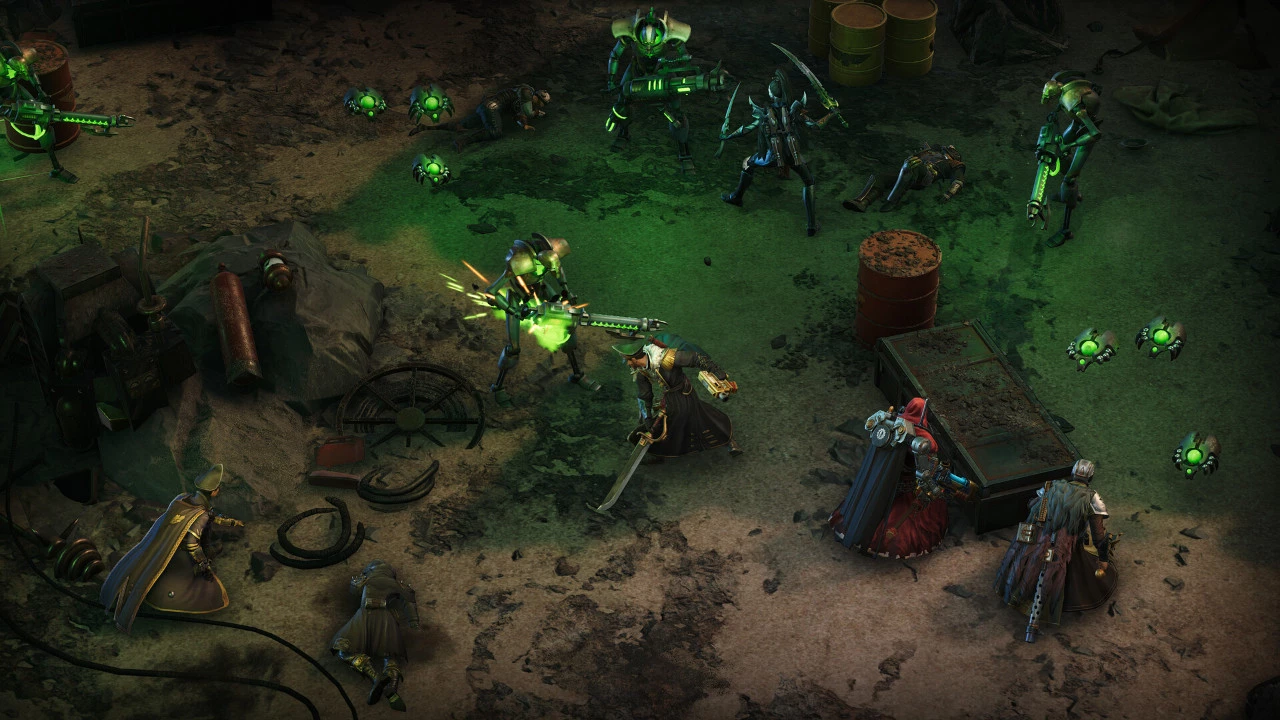
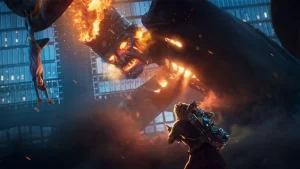
Atomic Heart, developed by Mundfish and released in 2023, quickly became a global phenomenon with its bold vision of an alternate Soviet Union where advanced robotics and dangerous experiments have gone terribly wrong. The game’s distinctive aesthetic, combining 1950s Soviet architecture with futuristic technology and biological horror, created a visual identity unlike anything else in gaming. Its success was driven not only by intense first-person shooter gameplay but also by its memorable soundtrack, including the viral hit “Komarovo,” and its thought-provoking exploration of utopian ideals corrupted by unchecked scientific ambition.
What Players Can Expect from the Collaboration
According to the announcement, the collaboration update will introduce several significant additions to Reverse: 1999. Players can anticipate new playable characters inspired by Atomic Heart’s iconic designs, potentially including robotic enemies reimagined as Arcanists or even representations of key figures from the Mundfish title. The visual style will reportedly incorporate Atomic Heart’s distinctive Soviet retrofuturism, creating a fascinating contrast with Reverse: 1999’s existing art direction that draws from various historical periods and artistic movements.
New gameplay mechanics are also promised as part of this crossover event. While specific details remain under wraps, speculation within the community suggests possible additions such as special combat abilities inspired by Atomic Heart’s polymer glove powers, limited-time story content exploring a Soviet-themed timeline, and exclusive equipment or artifacts that reference memorable elements from Atomic Heart’s world. Such collaborations in gacha games typically include special banners with increased rates for collaboration characters, unique cosmetic items, and time-limited events that encourage both new and returning players to engage with the content.
The Growing Trend of Cross-Game Collaborations
This collaboration reflects a broader trend in the gaming industry, particularly within the mobile and live-service gaming sectors, where crossover events have become powerful tools for player engagement and audience expansion. Successful collaborations like Fortnite’s numerous pop culture partnerships, Genshin Impact’s collaboration with Horizon Zero Dawn, and various anime crossovers in mobile games have demonstrated the commercial and creative potential of bringing different intellectual properties together. For Reverse: 1999, partnering with a high-profile title like Atomic Heart represents an opportunity to reach new audiences while offering existing players fresh content that breaks from the game’s usual thematic boundaries.
Industry analysts note that such collaborations benefit both parties involved. Atomic Heart gains continued visibility and relevance in the mobile gaming market, while Reverse: 1999 can leverage the distinctive aesthetic and devoted fanbase of the Mundfish title. The timing also appears strategic, as both games continue to expand their global presence, with Reverse: 1999 enjoying strong performance in Asian markets and Atomic Heart maintaining interest through DLC releases and ongoing community engagement. Players worldwide are eagerly awaiting further details about release dates, specific character rosters, and the full scope of content this unprecedented collaboration will bring.
Expert Opinion: This collaboration signals a maturing mobile gaming market where premium IP crossovers are becoming essential for sustained player engagement. The combination of Reverse: 1999’s established gacha mechanics with Atomic Heart’s visually striking aesthetic could set a new standard for cross-platform collaborations. Expect this partnership to drive significant revenue spikes and potentially open doors for similar East-West gaming collaborations in the future.