No Optimization in Sight — Only RTX 5090 Delivers 60 FPS at 4K in Assassin’s Creed Black Flag Resynced Despite Mediocre Visuals
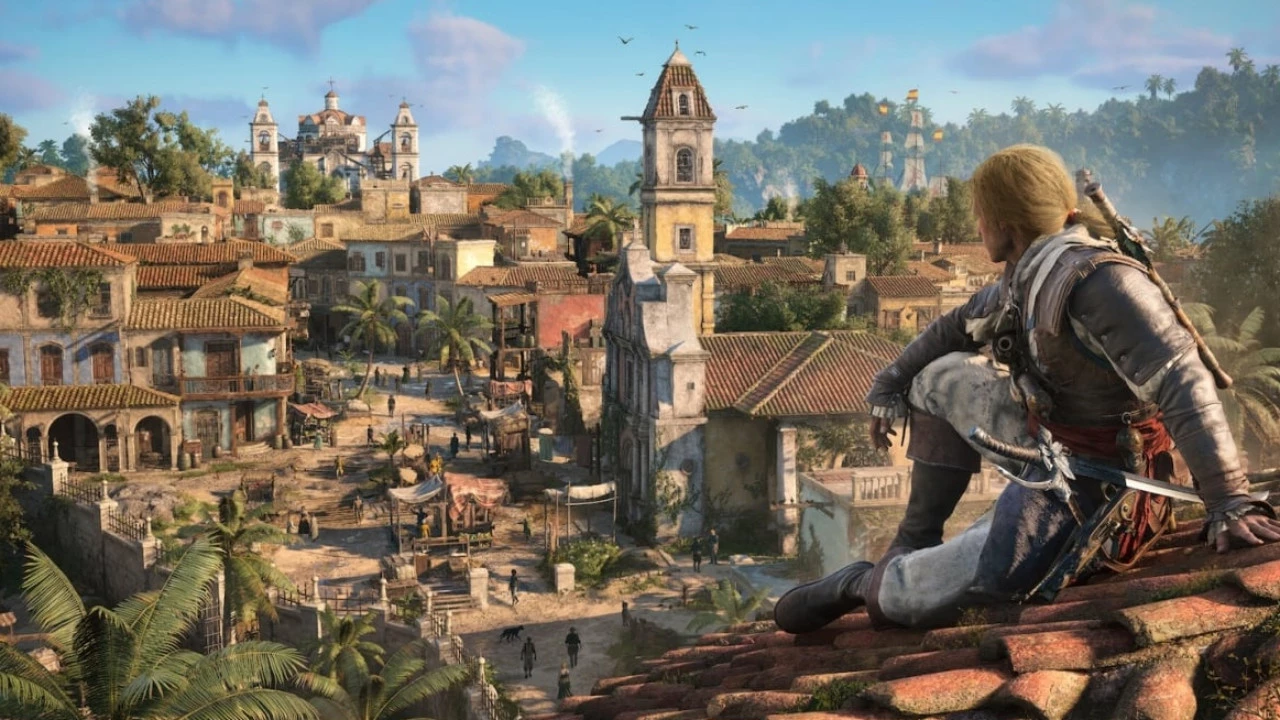
The highly anticipated release of Assassin’s Creed Black Flag Resynced has finally arrived, bringing the beloved 2013 pirate adventure into the modern gaming era with updated visuals and technical improvements. However, early benchmark tests have revealed a troubling reality for PC gamers: the remastered title appears to suffer from significant optimization issues, with only NVIDIA’s flagship RTX 5090 graphics card managing to achieve a stable 60 frames per second at 4K resolution. This performance requirement is particularly striking given that many players and critics have described the visual improvements as underwhelming compared to what modern hardware should theoretically deliver.
The original Assassin’s Creed IV: Black Flag was released over a decade ago and became one of the most beloved entries in Ubisoft’s long-running franchise. Set during the Golden Age of Piracy in the early 18th century, players took on the role of Edward Kenway, a charismatic privateer-turned-pirate who becomes entangled in the centuries-old conflict between Assassins and Templars. The game was praised for its expansive open-world Caribbean setting, engaging naval combat, and the freedom it offered players to explore tropical islands, hunt for treasure, and engage enemy ships on the high seas.
Benchmark Results Reveal Demanding Hardware Requirements
Independent benchmark testing conducted shortly after the game’s release has painted a concerning picture of the remaster’s technical performance. When paired with a top-tier gaming processor, various graphics cards were put through their paces to determine what hardware configuration would be necessary to achieve smooth gameplay at different resolutions. The results showed that even high-end GPUs from recent generations struggled to maintain consistent frame rates at 4K resolution, with the RTX 5090 being the only card capable of sustaining 60 FPS during demanding gameplay sequences featuring naval battles and densely populated port cities.
This level of hardware demand raises serious questions about the optimization work that went into the remaster. For context, the RTX 5090 represents NVIDIA’s absolute pinnacle of consumer graphics technology, featuring cutting-edge architecture and commanding a premium price point that places it out of reach for the vast majority of gamers. When a remaster of an eleven-year-old game requires such extreme hardware to run smoothly at standard settings, it typically indicates that the development team has not adequately optimized the game’s engine and rendering pipeline for efficient performance across a wider range of hardware configurations.
Visual Quality Fails to Justify Performance Costs
Perhaps more concerning than the raw performance numbers is the disconnect between the hardware requirements and the actual visual improvements delivered by the remaster. Many early players and technology analysts have noted that while Assassin’s Creed Black Flag Resynced does feature updated textures, improved lighting, and enhanced environmental details, the overall visual presentation does not represent a generational leap that would justify such demanding system requirements. Comparisons between the original 2013 release and the new remaster reveal improvements that some critics have characterized as incremental rather than transformative.
This situation echoes similar controversies that have plagued other high-profile remasters in recent years, where publishers have released updated versions of classic games that fail to deliver meaningful improvements while simultaneously requiring significantly more powerful hardware. The gaming community has become increasingly vocal about such practices, particularly when remasters are sold at premium prices. Ubisoft has faced criticism in the past for performance issues in their titles, with several recent Assassin’s Creed entries launching with optimization problems that required multiple post-release patches to address.
Industry Context and Player Expectations
The situation surrounding Black Flag Resynced reflects broader tensions in the gaming industry regarding remastered content. Players have come to expect that remasters will not only improve visual fidelity but also take advantage of modern hardware optimization techniques to run efficiently on mid-range systems. Successful examples like the recent remasters of classic titles from other publishers have demonstrated that it is entirely possible to dramatically improve a game’s visuals while maintaining reasonable hardware requirements through careful technical work and engine optimization.
As the dust settles on this controversial launch, many players are hoping that Ubisoft will prioritize performance patches in the coming weeks to address these optimization concerns. The company has not yet issued an official statement regarding the benchmark results or any planned improvements, leaving the community uncertain about whether the situation will improve. For now, those without access to the most powerful gaming hardware may want to wait before purchasing, or consider playing at lower resolutions where performance is more manageable.
Expert Opinion: The performance profile of Black Flag Resynced suggests that Ubisoft may have prioritized visual feature implementation over engine optimization, a common pitfall in remaster development. Given the company’s track record of post-launch support, we can reasonably expect performance patches within the first month, though achieving parity with better-optimized titles may require more substantial engine work. Players should monitor patch notes carefully before purchasing, as initial performance rarely reflects a game’s final optimized state.