Historical Truth vs. Legend: How Ubisoft Fact-Checks Assassin’s Creed Black Flag Resynced
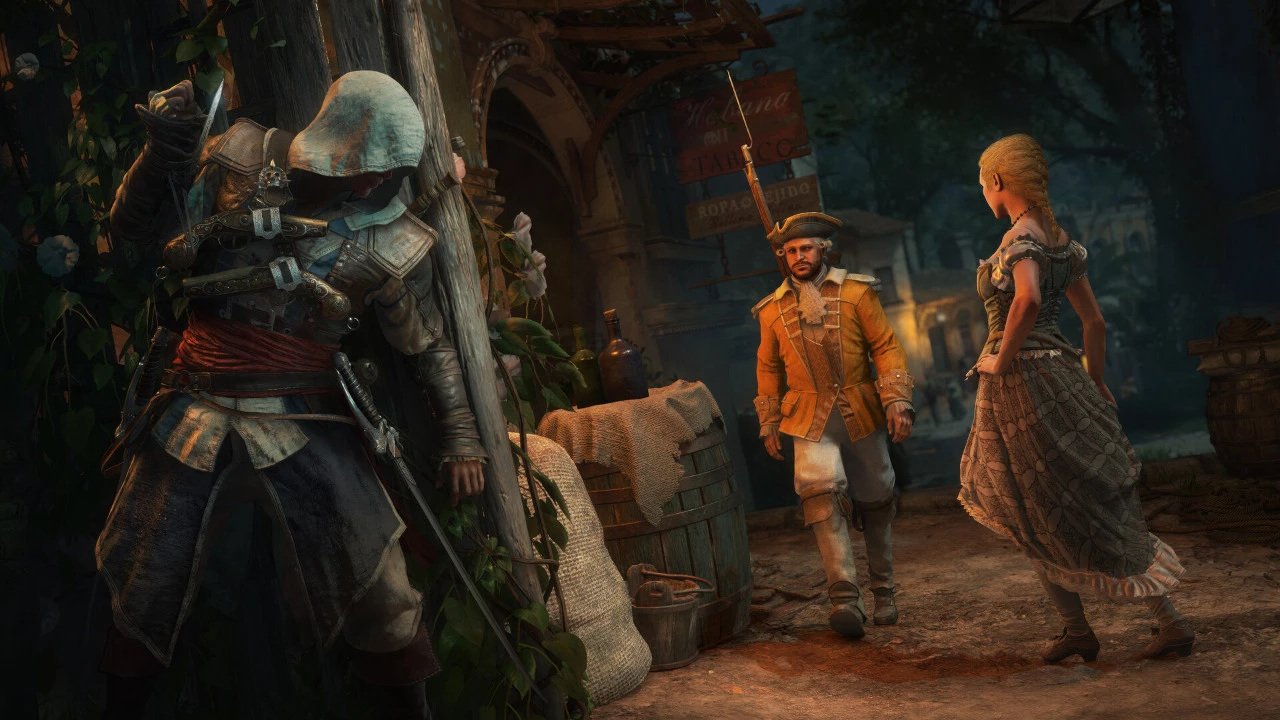
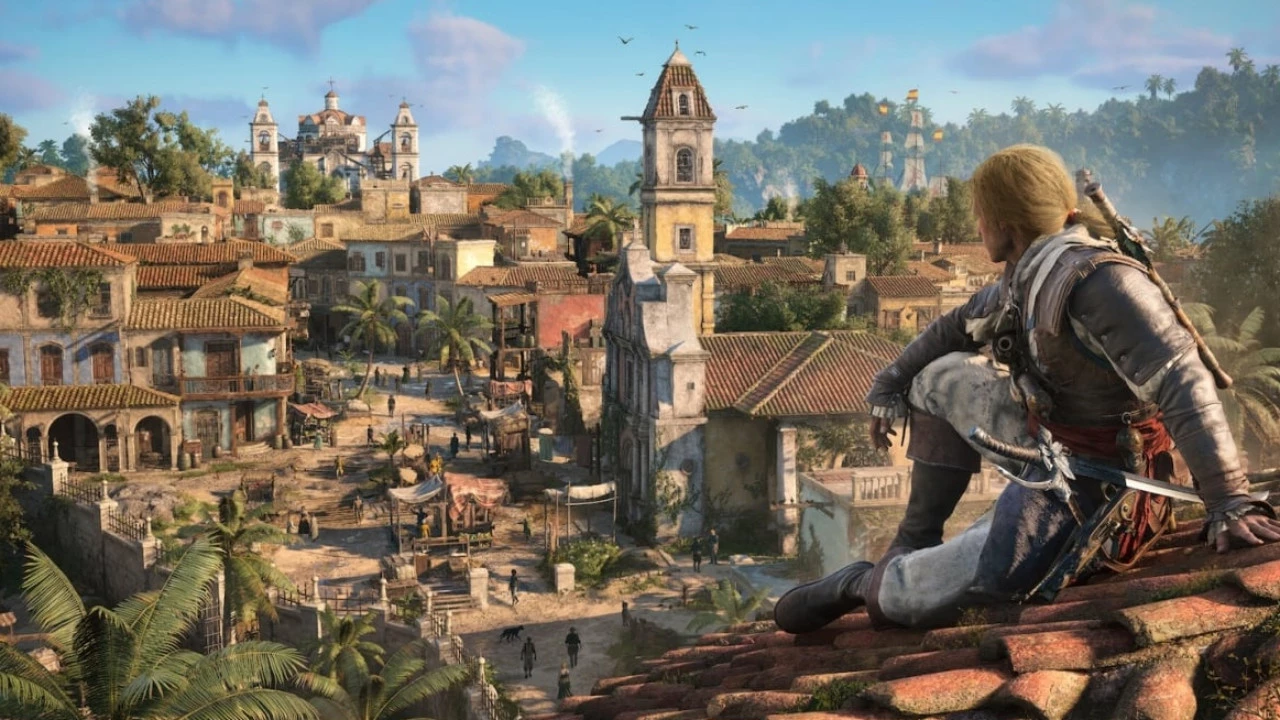
Ubisoft has released a comprehensive historical breakdown for their upcoming remake, Assassin’s Creed Black Flag Resynced, offering players and history enthusiasts an unprecedented look at how the development team separates documented facts from romanticized pirate mythology. The detailed analysis demonstrates the studio’s commitment to historical authenticity while maintaining the engaging narrative that made the original 2013 release one of the most beloved entries in the long-running franchise. This transparency marks a significant step in video game development, where historical accuracy often takes a backseat to entertainment value.
The Golden Age of Piracy: Separating Myth from Reality
The original Assassin’s Creed IV: Black Flag transported players to the Caribbean during the early 18th century, a period historians refer to as the Golden Age of Piracy. This era, spanning roughly from 1650 to 1730, saw the rise of legendary figures like Edward Teach (Blackbeard), Charles Vane, and Anne Bonny — all of whom appeared as characters in the game. Ubisoft’s historical team has spent years researching primary sources, including ship logs, court records, and contemporary accounts, to ensure that the remastered version presents these figures with greater historical accuracy than ever before.
The challenge facing developers is significant: much of what the public knows about pirates comes from centuries of romanticization in literature, film, and popular culture. The image of the swashbuckling pirate with a parrot on their shoulder and a treasure map in hand bears little resemblance to the brutal reality of maritime piracy. Ubisoft’s historical consultants have worked to present a more nuanced portrait, showing pirates as complex figures who were often escaped slaves, former naval sailors, or desperate men seeking fortune outside the rigid class structures of colonial society. The remake reportedly includes updated dialogue, environmental details, and character portrayals that reflect current historical scholarship.
Naval Warfare and Ship Authenticity
One area receiving particular attention in the Resynced version is the depiction of naval warfare and ship construction. The original game featured spectacular sea battles that became a defining feature of the experience, but some liberties were taken with historical accuracy for gameplay purposes. Ubisoft’s team has consulted with maritime historians and naval archaeology experts to refine ship designs, cannon specifications, and sailing mechanics. Period-accurate vessels like the brig, schooner, and man-of-war have been redesigned based on surviving shipwrecks and contemporary shipbuilding documents from the era.
The historical breakdown also addresses the economic realities of piracy that the game explores. Contrary to popular belief, most pirates rarely accumulated vast treasures. Their targets were often merchant vessels carrying mundane but valuable cargo — sugar, tobacco, cloth, and rum. The game’s portrayal of Nassau as a pirate republic is based on historical fact; from roughly 1706 to 1718, Nassau served as an unofficial haven for pirates before British authorities reasserted control. Ubisoft has enhanced the remake with additional environmental storytelling elements that reflect the precarious existence of these outlaw communities.
Balancing Entertainment with Education
Ubisoft’s approach to historical accuracy in the Assassin’s Creed series has evolved significantly since the franchise’s debut in 2007. The company now employs dedicated historical consultants and has faced both praise and criticism for its representations of various time periods. With Black Flag Resynced, the studio appears to be striking a careful balance between maintaining the adventurous spirit that made the original game successful while incorporating a decade of new historical research and scholarly perspectives. The game’s Discovery Tour mode, introduced in later entries, may also be expanded for the remake, allowing players to explore the Caribbean setting in an educational context without combat elements.
The release of this historical breakdown suggests that Ubisoft recognizes the cultural responsibility that comes with creating interactive experiences set in real historical periods. Video games reach audiences that traditional historical media often cannot, particularly younger generations who may form their first impressions of historical eras through gaming. By publicly documenting their research process and acknowledging where creative liberties have been taken, Ubisoft sets a precedent that other developers may follow. As gaming continues to mature as a medium, this transparency between historical fact and fictional narrative becomes increasingly valuable for both entertainment and educational purposes.
Expert Opinion: The gaming industry’s growing emphasis on historical authenticity reflects a broader cultural shift toward responsible representation in entertainment media. Ubisoft’s transparent approach with Black Flag Resynced could establish new standards for how game developers communicate their creative liberties to players. As gaming audiences become more sophisticated and historically aware, studios that invest in rigorous fact-checking while maintaining engaging gameplay will likely see stronger long-term franchise loyalty and critical reception.