MARVEL Tokon: Fighting Souls Blocked in 135 Countries Including Russia and Kazakhstan Due to PSN Requirements
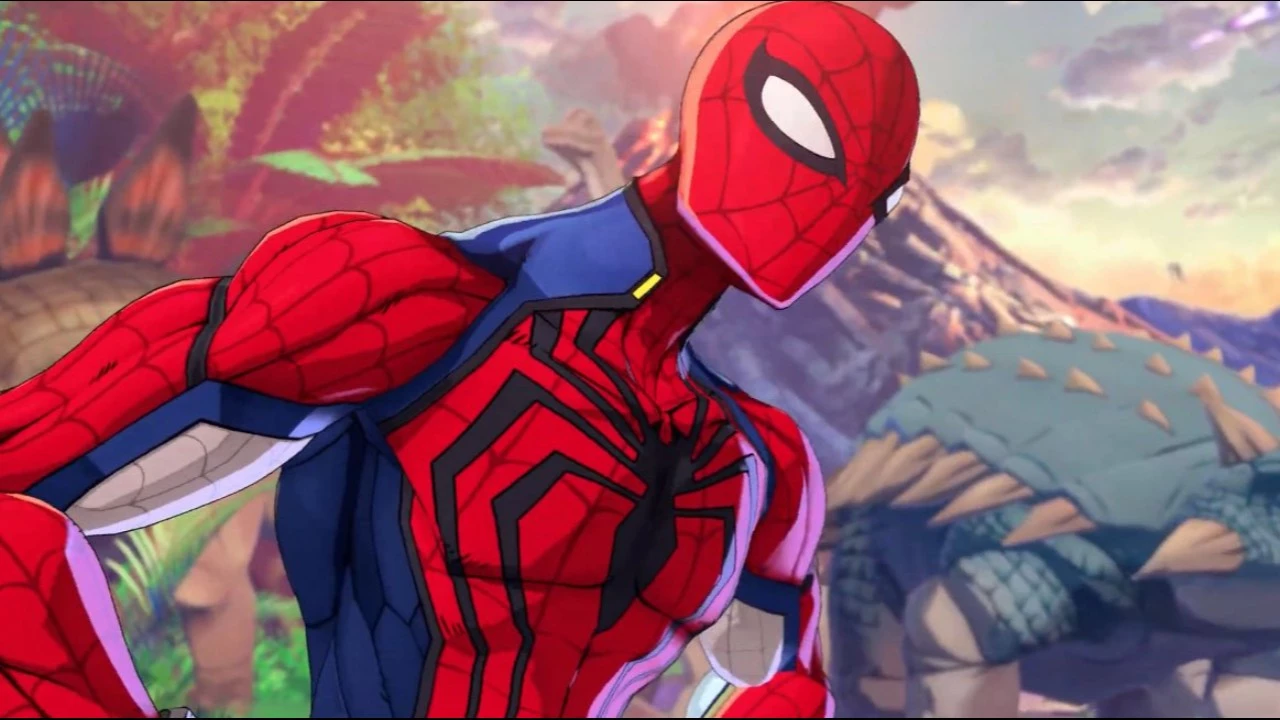
In a development that has sparked frustration among gaming communities worldwide, the upcoming fighting game MARVEL Tokon: Fighting Souls will be unavailable in 135 countries when it launches on Steam on August 6, 2026. The regional restrictions stem from the game’s partnership between developer Arc System Works and PlayStation Studios, which requires players to have access to PlayStation Network — a service that remains unavailable in numerous territories around the globe.
The list of affected countries includes Russia, Kazakhstan, Belarus, and many other nations across Eastern Europe, Central Asia, Africa, and the Middle East. Players in these regions have discovered that the game’s Steam store page either shows the title as unavailable for purchase or redirects them to regional restriction notices. This marks another instance where PSN integration has effectively created a two-tiered gaming landscape, dividing players based on their geographic location rather than their willingness to purchase the product.
The PSN Requirement Controversy
The requirement for PlayStation Network connectivity in PC games has become an increasingly contentious issue in the gaming industry. This practice gained significant attention in 2024 when Sony attempted to mandate PSN accounts for Helldivers 2 on PC, leading to massive player backlash and eventual policy reversal in some cases. However, the MARVEL Tokon situation appears more complex, as the partnership between Arc System Works and PlayStation Studios likely includes contractual obligations that make PSN integration non-negotiable.
PlayStation Network currently operates in approximately 70 countries and territories, leaving a substantial portion of the global gaming population without access. For players in excluded regions, this means that even if they purchase compatible hardware and have reliable internet connections, they cannot legitimately access games that require PSN authentication. Critics argue that this approach punishes legitimate customers while doing little to address the piracy concerns that such measures ostensibly target.
Arc System Works and Marvel: An Unlikely Partnership
Arc System Works has established itself as one of the premier developers in the fighting game genre, known for visually stunning titles like Guilty Gear Strive, Dragon Ball FighterZ, and Granblue Fantasy Versus. The Japanese studio’s signature anime-inspired 3D graphics that mimic 2D animation have earned widespread acclaim and commercial success. Their partnership with major IP holders has proven lucrative, with Dragon Ball FighterZ selling over 10 million copies worldwide.
The collaboration with Marvel represents a significant opportunity for the studio, as Marvel fighting games have a storied history dating back to the beloved Marvel vs. Capcom series. However, the involvement of PlayStation Studios in this project introduces complications that Arc System Works’ previous multiplatform releases did not face. The decision to involve Sony’s gaming division likely came with substantial financial backing and marketing support, but at the cost of accessibility for players in PSN-restricted territories.
Impact on Gaming Communities in Affected Regions
The gaming communities in Russia, Kazakhstan, and other affected countries have developed despite facing numerous obstacles including currency restrictions, limited official distribution channels, and now increasingly common platform-based lockouts. Many players in these regions have historically relied on Steam as their primary gaming platform precisely because of its broader availability compared to console-specific services.
Industry analysts note that such restrictions often push players toward piracy or gray market purchases, ultimately harming publishers more than protecting their interests. The fighting game community, known for its passionate and dedicated player base, has expressed particular disappointment, as competitive games rely heavily on robust online populations to thrive. Fragmenting the potential player base before launch could impact the game’s long-term competitive viability and esports potential.
As the August 2026 release date approaches, affected players continue to hope for policy changes or regional workarounds. However, given the contractual nature of the PlayStation Studios partnership, significant changes appear unlikely. This situation serves as another reminder of how platform politics and regional restrictions continue to shape the modern gaming landscape, often to the detriment of players who simply want to enjoy the games they’re willing to pay for.
Expert Opinion: The MARVEL Tokon situation exemplifies a growing tension in the gaming industry between platform exclusivity deals and global market accessibility. As publishers increasingly tie PC releases to console-specific services, we can expect continued regional fragmentation that ultimately reduces total addressable markets. Companies would be wise to develop tiered authentication systems that maintain partnership obligations while not completely excluding paying customers in PSN-unavailable regions.